For a local business owner, the important question is not whether to use every new AI tool. It is how AI can help you show up clearly, respond quickly and turn more of the right attention into enquiries. The businesses that benefit most will use it to improve real customer experiences, not to produce more noise.
How AI Is Changing Digital Marketing in 2026
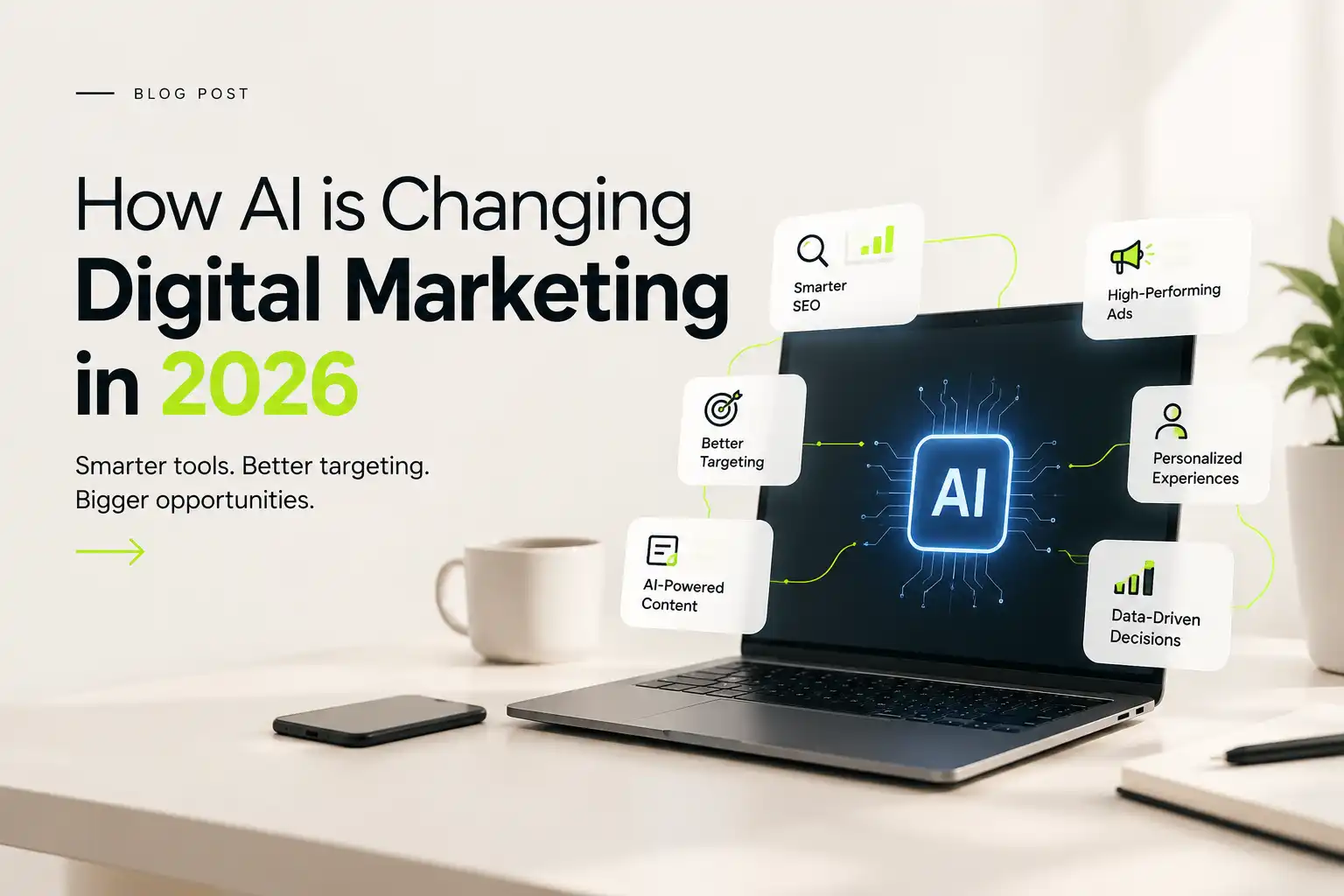
AI is shortening the distance between an idea and a useful campaign. It can help organise customer questions, create first drafts, identify patterns in campaign data and suggest different messages for different audiences. That means a restaurant can spot which offer drives table bookings, a clinic can answer common service questions faster, and a retailer can test product messaging without beginning from a blank page each time.
Personalisation is also becoming more practical. Instead of sending the same post or ad to everyone, businesses can adapt creative, timing and calls to action to customer intent. The goal is not to make marketing feel automated. The goal is to make it feel more helpful: a clear answer, a relevant offer or a next step that matches what a person is already looking for.
AI also makes reporting easier to understand. Good marketing still needs human review, but teams can spend less time manually sorting spreadsheets and more time deciding what to improve. When you can see which content earns enquiries, which audience responds and where visitors leave your website, budget decisions become more confident.
How AI Is Changing SEO
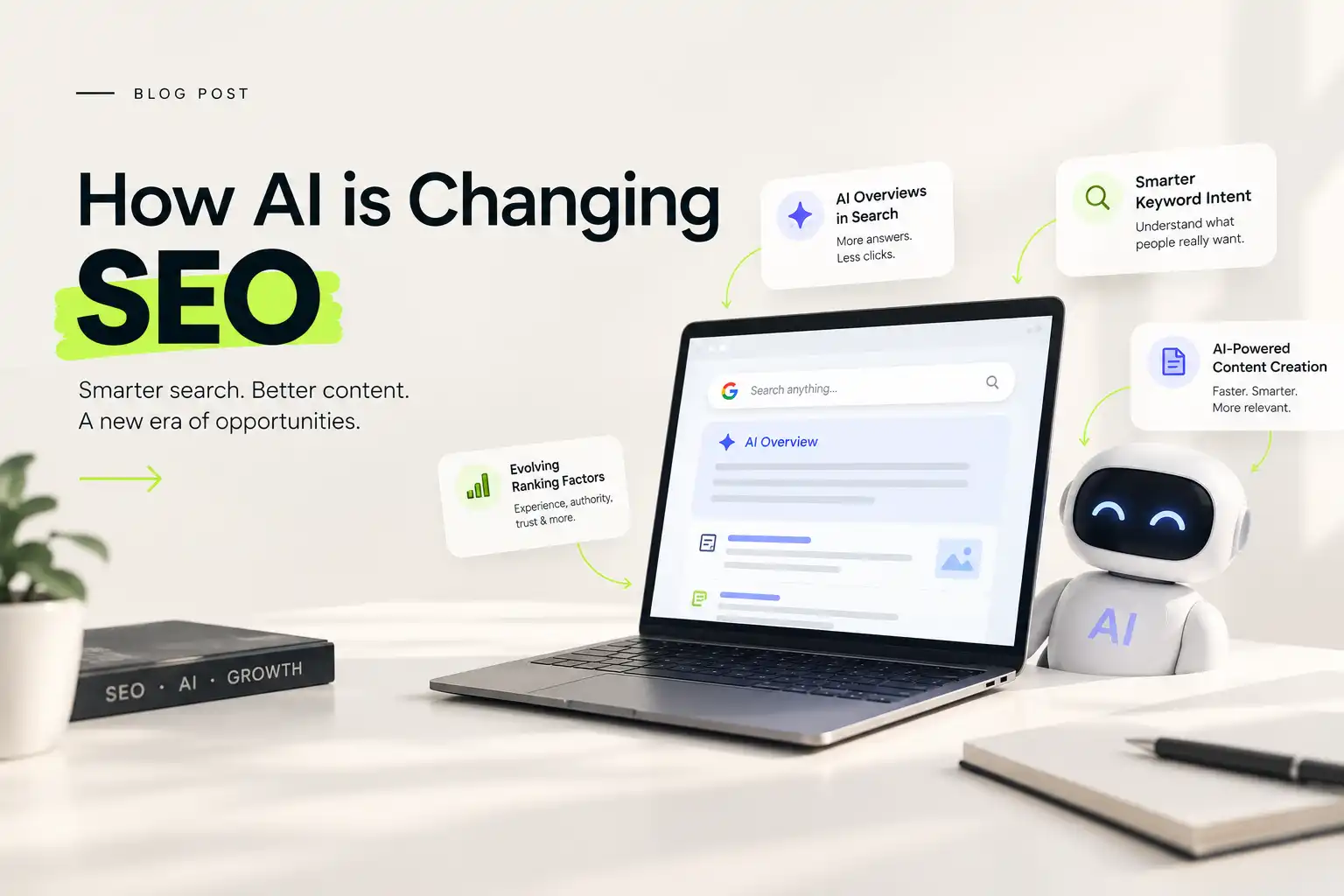
How AI is changing SEO starts with search intent. Search engines have always tried to match people with useful answers. AI-assisted search raises the bar because it can summarise information and surface direct answers before a person clicks through. Your website therefore needs to be clear enough to be understood, trusted enough to be recommended and useful enough to deserve the visit.
For local businesses, the foundations still matter: an accurate Google Business Profile, consistent contact details, well-written service pages, genuine reviews and pages that load properly on mobile. AI does not remove the need for these basics. It makes clean, specific information even more valuable because search systems need reliable signals about what you do, where you work and who you help.
AI can speed up keyword research, content outlines and technical checks, but it should not replace expertise. A generic page written for every city will not build local trust. Strong SEO content includes the questions your customers actually ask, your real process, helpful examples and a clear path to contact you.
AI Search vs Google Search
AI search vs Google search is not really a winner-takes-all choice. Google remains a major place where people find local businesses, compare options, check reviews and use maps. AI search adds another way people can research: they may ask a detailed question in conversational language and expect a short, direct recommendation or explanation.
The practical response is to prepare for both. Make every important service easy to understand on your website. Use descriptive headings, answer common questions and keep location, pricing context or booking details easy to find. Give people a reason to visit your page after they see a summary: proof of your work, a useful explanation, a clear offer or an easy way to speak with you.
Do not chase every trend. Track where your enquiries come from, keep your website information accurate and build assets you own. A clear brand, a fast website and a healthy review profile work whether a customer searches traditionally, asks an AI assistant or follows a recommendation from a friend.
Will AI Replace Digital Marketers?
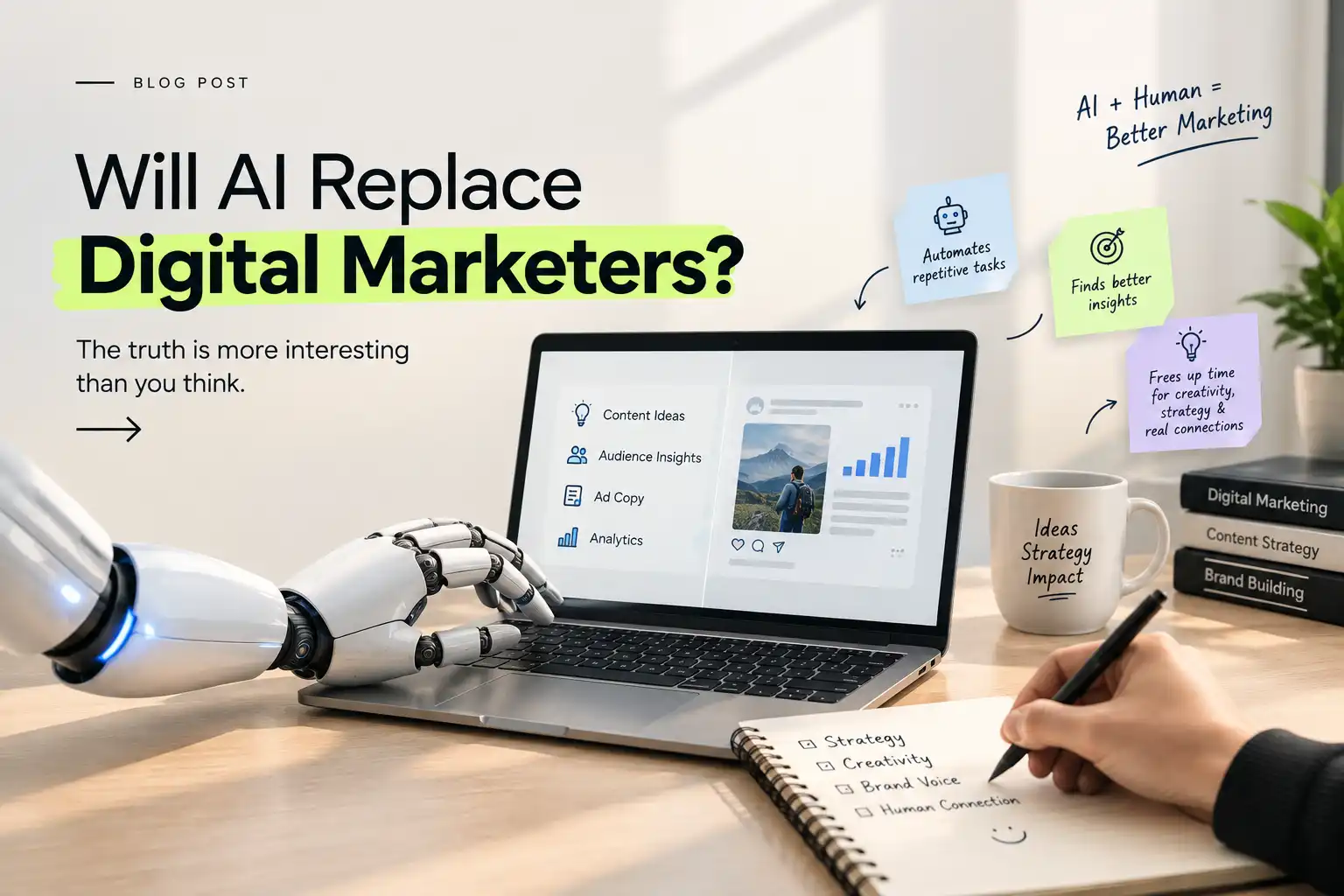
Will AI replace digital marketers? It will replace some repetitive tasks, but not the judgment that makes marketing work. AI can draft captions, group data and propose variations. It cannot fully understand the reputation you have built in Surat, the hesitation behind a customer’s question or the trade-off between a quick lead and a customer relationship worth keeping.
Effective marketing still requires strategy: choosing the right audience, defining a believable offer, protecting the brand voice and deciding what success means. It also needs creative direction and accountability. Someone must check whether the output is accurate, whether it sounds like your business and whether the campaign is attracting the right customers rather than simply generating clicks.
The best marketers will use AI as a capable assistant. They will work faster on research and production, then spend more time on positioning, customer insight and decisions that need context. For local businesses, that is good news: better tools can make thoughtful marketing more accessible without removing the need for an experienced partner.
What This Means for Your Business
Start with one useful opportunity. Use AI to turn recurring customer questions into helpful website content, improve an ad test or organise your marketing data. Then measure the outcome: better calls, stronger enquiries, more bookings or more qualified leads. If it does not help a real business goal, it is not worth adding to your workload.
Keep your marketing human. Your customers should recognise your voice, understand your offer and feel confident that a real person is behind the business. AI is most valuable when it makes that experience clearer, faster and more consistent.
Ready to make AI work for your marketing?
Let’s build a practical strategy around your business goals, audience and local market.
Contact Us